


Pikmin — time, tenderness, and tiny triumphs under alien suns
Presentation
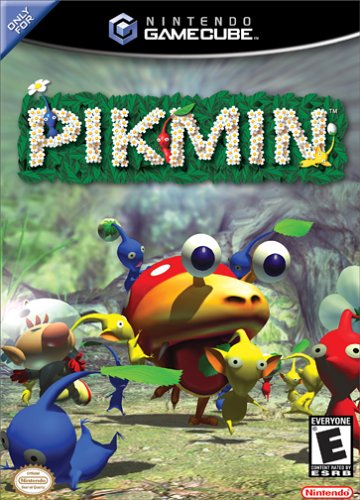
Pikmin reframed real‑time strategy for a controller by miniaturizing scale: you marshal sprout‑sized plant‑creatures across lush dioramas where depth‑of‑field, soft shadows, and day‑night cycles make the world feel both inviting and predatory. The 30‑day campaign timer creates a gentle pressure loop—explore, route, extract—that rewards planning and improvisation, with environmental sound and diegetic UI (Onions, sprouts, pellets) explaining systems through play rather than exposition. Visual and mechanical clarity—color‑coded Pikmin roles, readable enemy tells, and tactile throwing/whistling—let Nintendo achieve accessibility without flattening the puzzle‑routing challenge beneath the charm.
Story
After a collision with a meteor, Captain Olimar crash‑lands on a mysterious planet, scattering 30 ship parts and leaving him with only 30 in‑game days of life‑support to escape the planet’s oxygen‑rich atmosphere which is poisonous to him. By discovering the Pikmin and their Onions, Olimar organizes daily expeditions to retrieve parts while fending off predators, with multiple endings tied to how many parts are recovered before the deadline—25 required for liftoff, all 30 for the best outcome. Failure to meet the requirement triggers a bleak finale, underscoring the bittersweet bond between Olimar and the Pikmin and cementing the series’ mix of whimsy and melancholy.
Systems and structure
-
Dandori at heart. Each day is a resource‑routing puzzle—squad splits, carry chains, shortcut unlocks—where Red/Yellow/Blue Pikmin properties (resistance and utility differences) define optimal paths and risk budgets.
-
Risk and rescue. Sunset hard‑stops require extracting squads before nightfall or losing stragglers to nocturnal predators, turning the final horn into a routing exam as much as a narrative beat.
-
Difficulty via planning. Enemy ecology and map topology create emergent solutions rather than prescribed ones; mastery lies in sequencing, whistle micro, and safe carry corridors, not unit micro in the PC‑RTS sense.
Length and co‑op
A first clear typically lands around 8–12 hours depending on efficiency and ending target, with repeat runs getting brisk as routes are refined; 100% part recovery within the 30‑day limit becomes a satisfying planning challenge. The original Pikmin on GameCube is single‑player only—no co‑op—though later entries added couch co‑op and versus variants; multiplayer features are a hallmark of Pikmin 3 Deluxe and Pikmin 4 rather than the 2001 debut.
Reception and critique
Contemporary and retrospective coverage cite Pikmin’s originality, atmosphere, and tension as standouts, with occasional critiques aimed at the camera and the stress some players feel under the day timer. Aggregators record high marks and awards for innovation, and later re‑releases maintain strong sentiment even when ports are described as light‑touch remasters. The blend of strategy and empathy—protecting fragile squads in a dangerous world—remains the series’ signature, influencing later Nintendo design around gentle pressure and readable systems.
Critics’ scores
-
Metacritic — 89/100 (GameCube; platform variations include 77/100 on Wii and 82/100 on Switch).
-
IGN — 9.1/10, praising uniqueness, visuals, and gentle RTS design on a gamepad.
-
GameSpot — 8.9/10, highlighting elegant systems and day‑loop tension.
-
Game Informer — 9.25/10 (GC).
-
Famitsu — 34/40 (GC).
-
Nintendo Life — 9/10 (retrospective review).
-
MobyGames collated reviews — roughly 86% on GameCube across tracked outlets.