
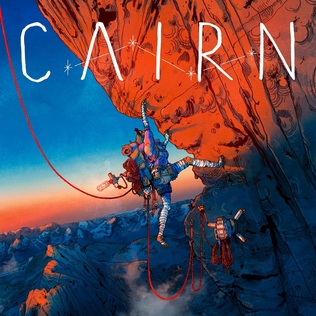


The survival‑climbing game Cairn is finally out on PC and PlayStation 5, bringing an unusually realistic take on vertical exploration to players worldwide. Set on the imposing Mount Kami, the game puts you in the shoes of professional climber Aava as she attempts a once‑in‑a‑lifetime ascent.
What Is Cairn?
Cairn is a third‑person survival‑climbing game developed by French studio The Game Bakers, known for titles like Furi and Haven. Instead of treating climbing as a simple traversal tool, Cairn turns it into the core mechanic and the main source of tension, progression, and storytelling.
The experience focuses on a single climb up Mount Kami, a fictional peak that you can approach almost like a real expedition. You read the rock face, plan your route, manage your resources, and decide how much risk you are willing to take at every meter of elevation.
A Manual Climbing System That Demands Precision
The most distinctive feature of Cairn is its manual climbing system, which asks you to control Aava’s limbs one by one rather than simply holding a trigger and pointing in a direction. Each movement becomes a deliberate choice, and your understanding of balance, posture, and stamina is crucial to survival.
-
You manually position hands and feet on the rock, effectively creating your own route instead of following predefined colored holds.
-
Aava’s body language – shaking limbs, gasps, or strained posture – provides direct feedback about her stamina and the quality of the holds you chose.
-
Pitons act as both checkpoints and safety anchors, letting you secure progress and reduce the punishment for a fall.
Many reviewers compare the control scheme to a more intuitive, climbing‑focused take on cult games that make you manage awkward physics, only here the system is designed to become natural as you learn its rules. The result is a constant balance between precision input and long‑term planning, where a single sloppy movement can send you back down the wall.
Survival Mechanics: More Than Just Reaching the Top
Cairn is not just about reaching handholds; it is also about surviving the mountain as an all‑consuming environment. Alongside stamina and fall risk, you must manage resources such as pitons, chalk, food, water, and medicine, all while deciding where to rest and set up temporary bivouacs.
-
Stamina dictates how long Aava can stay in tough positions before a limb gives out.
-
Pitons let you recover, access inventory safely, and prevent catastrophic losses of progress after a slip.
-
Weather and terrain variety, like ice walls at higher altitudes, change how you climb and how quickly you tire.
On ice, for example, Aava automatically swaps to axes and crampons, enabling you to create holds almost anywhere while demanding slower, more careful movement and frequent stamina recovery. This turns late‑game climbs into a different rhythm, forcing you to adapt your technique and pacing.
Modes and Playstyle Options
While the core of Cairn is a single, demanding ascent, the game provides multiple ways to frame that journey depending on how much pressure and social comparison you want. A free solo‑style mode emphasizes pure risk and mastery, minimizing safety nets for players who want the most punishing version of the climb.
An expedition‑oriented approach emphasizes planning, route optimization, and sharing or comparing paths with other climbers. This perspective suits players who enjoy perfecting their line, managing resources optimally, and treating each successful push as a personal record to beat.
A Narrative‑Driven Expedition With Emotional Weight
Beyond its systems, Cairn aims for emotional resonance by tying Aava’s grueling ascent to a personal story. The game weaves narrative moments into the climb with cinematic cutscenes and in‑engine storytelling that explore her motivations, fears, and relationships.
The mountain becomes a physical and psychological obstacle at the same time, and every risky move or desperate push for a new hold reflects something about who Aava is and why she is willing to stake everything on this attempt. This gives the game a tone closer to an expedition movie or survival drama than a traditional action platformer.
Cairn and the Rise of Realistic Climbing Games
Cairn is part of a growing wave of climbing‑focused games that treat vertical movement as their main mechanic instead of a side feature. Design experts note that the appeal of this genre lies in its clear objectives, visible progress on the mountain face, and the intuitive way players can read difficulty directly from the terrain.
Unlike more arcade‑style experiences, Cairn leans heavily into realism and physicality, making each meter of altitude feel earned. This slower, more demanding approach positions it as a standout for players drawn to precision, tension, and methodical problem‑solving.
Key Features of Cairn
-
Deep manual limb‑based climbing system with no preset routes on the mountain.
-
Survival mechanics centered on stamina, pitons, and resource management.
-
Ice, rock, and other terrain types that change how you climb and plan routes.
-
Narrative‑driven expedition starring climber Aava, blending emotional storytelling with mechanics.
-
Modes and playstyles that support both punishing free solo experiences and strategic, expedition‑style runs.
Why Cairn Matters for PC and PS5 Players
For PC and PlayStation 5 players looking for something different from the usual action or open‑world formula, Cairn offers a focused, high‑tension experience built around a single, monumental challenge. Its combination of realistic climbing physics, deliberate controls, and survival systems makes every decision meaningful, from where you place your next hand to when you dare to push for one more move.
If you enjoy games where mastery comes from repetition, careful observation, and learning to read the environment like a real climber, Cairn is one of the most intriguing releases in the modern climbing‑game wave.