


Okami — ink‑brush mythmaking, painterly exploration, and a Zelda‑scale quest through Shinto folklore
Presentation
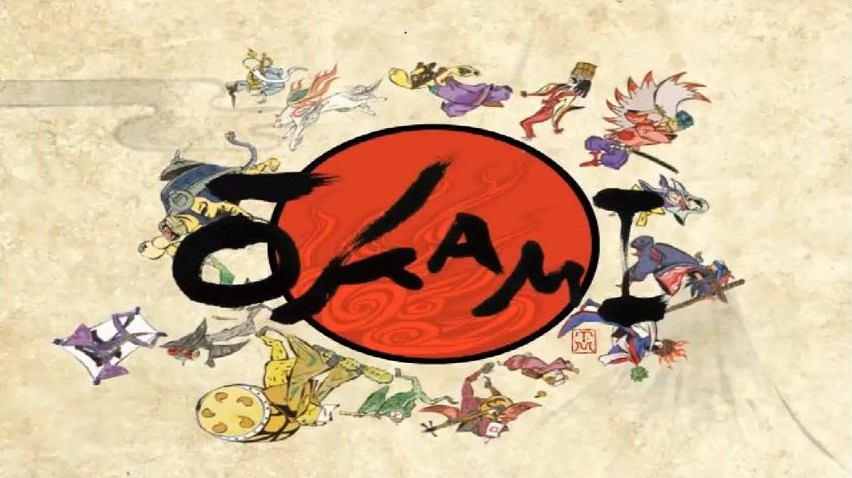
Okami renders a watercolor Japan where sumi‑e inks bloom into mountains, rivers, and yokai, with the Celestial Brush letting players literally paint actions onto the world—slashing, blooming, fixing, or conjuring paths in real time. Framed as a folklore epic, its orchestral and traditional instrumentation support a playful tone that pivots to awe during boss spectacles and restoration sequences, sustaining a cohesive, art‑forward identity rare for its era.
Story
The sun goddess Amaterasu reincarnates as a white wolf to quell Orochi and a resurgent darkness, partnering with pint‑sized artist Issun on a journey that grows from one village’s curse into a continent‑spanning restoration of nature and faith. Across arcs that revisit and recontextualize earlier zones, Amaterasu faces demon kings and corrupted gods, culminating in a finale that fuses brush mastery and community bonds to banish the blight and restore celestial harmony.
Systems and structure
-
Celestial Brush. Mid‑flow pause‑and‑paint gestures act as verbs—straight strokes to cut, circles to rejuvenate, swirls for wind—integrated into combat, traversal, and puzzles rather than siloed mini‑games.
-
Adventure cadence. Town quests, dungeons, and field exploration echo action‑adventure blueprints, but the brush reframes locks and keys as drawable solutions, keeping routing tactile and expressive.
-
Growth and variety. New brush techniques and divine instrument loadouts expand combat options and puzzle grammar, while backtracking reveals playful reuses of old spaces with new powers.
Length and co‑op
A first playthrough typically runs 30–45 hours depending on sidequests and completion goals; thorough runs with all brush techniques, Stray Beads, and optional challenges can push beyond 50 hours. The game is single‑player only; replay value comes from post‑game extras, New Game+, and mastery of brush inputs rather than co‑op modes.
Reception and critics’ scores
Critics lauded Okami’s art direction, brush mechanic, and sweeping scope, with minor critiques around pacing bloat in later arcs; it remains a frequent fixture in “best of” discussions and benefited from later HD re‑releases.
-
IGN — 9.1/10 (PS2 contemporary review), praising art, music, and the Celestial Brush as a defining mechanic.
-
Eurogamer — 9/10 (PS2), acclaiming visual style and world design, with notes on repetition in the final stretch.
-
Metacritic — 93/100 (PS2 original), “universal acclaim”; HD re‑releases also sit in the 90s range.
-
Additional retrospectives — sustained praise for aesthetics and design coherence across versions