
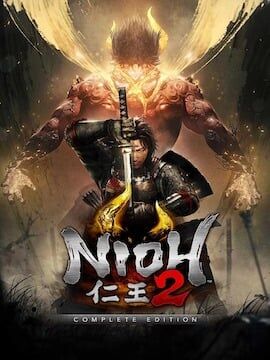



Nioh 2 (2020), Team Ninja’s prequel to the original Nioh, elevates the series into a soulslike benchmark with blistering combat depth and yokai-infused Sengoku Japan chaos. While Nioh 1 introduced William Adams’ ronin saga in 2017 with stance-based swordplay and Ki management, Nioh 2 explodes the formula for custom heroes battling demons. Critics hailed it as superior, earning a Metacritic 86/100 (PS4) and 88/100 for Remastered Complete Edition.
Gameplay: Fluid Brutality and Endless Builds
Nioh 2’s core shines in its hyper-responsive combat: nine weapon types (katana, dual swords, spear, axe, kusarigama, odachi, tonfa, fist, switchglaive) each with three stances—low for speed/dodges, mid for balance, high for power—plus flux combos chaining attacks. Ki (stamina) demands precise pulses to recover mid-fight, punishing overextension while enabling burst counters against enemy perilous grabs.
Yokai Shift transforms players into demonic forms for devastating bursts, fueled by red gauge from hits; Soul Cores summon enemy abilities like snake arms or chariot charges. Onmyo Magic (talismans/explosives) and Ninjutsu (bombs/shurikens) layer atop Guardian Spirits for buffs, creating infinite synergies—pure melee rushers or magic hybrids thrive. Missions blend linear gauntlets with Dark Realms (stamina-draining horror zones), boss rushes, and co-op; loot floods with randomized gear for min-maxing. The Complete Edition bundles three DLCs (Tengu’s Disciple, Darkness in the Capital, First Samurai), adding 40+ hours of endgame.
Style: Visual Gore and Audio Intensity
Sengoku backdrops—from misty castles to underworld realms—brim with grotesque yokai designs blending folklore horror and history (Oda Nobunaga cameos). RE Engine delivers fluid animations, blood-splatter physics, and dynamic lighting; soundtrack fuses taiko drums with ethereal flutes for epic tension. Stylish flourishes like living weapon auras and shift explosions make kills cinematic, though some levels reuse Nioh 1 assets.
Story: Yokai-Human Saga
Players craft a half-yokai orphan uncovering origins amid Toyotomi Hideyoshi’s rise, clashing with spirits like Otakemaru. Spanning decades with branching events tied to real history, it improves on Nioh 1’s ronin wanderings via personal stakes and arcs, though lore-heavy delivery (mission texts, codex) feels convoluted without side quests. Compelling villains and cameos shine, but protagonist silence limits emotional pull.
Pros and Cons
Pros:
-
Deepest soulslike combat with viable builds and stance mastery.
-
High replayability via NG+, co-op, and loot grind.
-
Stunning yokai variety and boss spectacle.
Cons:
-
Steep early curve overwhelms newcomers (first 5-10 hours punishing).
-
Loot system convoluted; story opaque without reading.
-
Difficulty spikes and ganks frustrate.
Critical Reception and Legacy
Acclaimed as “soulslike GOAT” for combat innovation over Nioh 1’s foundation, it won multiple GOTYs despite accessibility gripes. User scores hit 8.7/10; fans praise fluidity, critics note narrative shortcomings. With Nioh 3’s demo looming January 29, Nioh 2—on PS Plus Extra and Steam —remains essential prep for the trilogy’s open-world climax.