
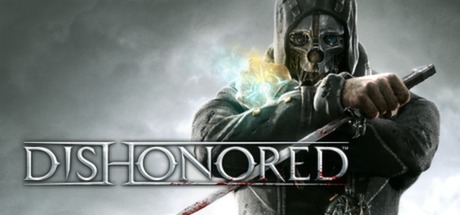



Dishonored — immersive-sim stealth sandbox, reactive world, and a compact revenge tale that rewards creativity and replayability
Presentation
Dishonored is set in plague-ridden Dunwall, a whalepunk city mixing Victorian industry with occult symbolism and oppressive security. Moreover, stylized visuals and exaggerated character designs reinforce its dystopian tone. The soundscape, including eerie music and sharp alert barks, underpins tension, while environmental storytelling in notes and posters quietly explains politics and the rat plague.
Story
Royal Protector Corvo Attano returns from a diplomatic mission, only to witness the Empress assassinated and her daughter Emily kidnapped by supernatural killers. Consequently, the Lord Regent frames Corvo and imprisons him, using the crisis to seize power. After six months, Loyalists help Corvo escape and arm him with mask, gadgets, and the Outsider’s mark; he then dismantles the coup architect by architect. However, a later betrayal forces Corvo to salvage the rebellion, confront assassin Daud, and decide Dunwall’s fate through lethal or merciful choices.
Systems and structure
Dishonored structures missions as open-ended sandboxes: each main target resides in a compact, multi-path level offering rooftops, alleys, sewers, and social spaces. Therefore, players can improvise routes based on tools and preferred playstyle. The Chaos system tracks kills and noise; more violence increases plague, guards, and darker story beats, while low-chaos runs yield cleaner endings. Consequently, playstyle shifts world state and narrative tone.
Abilities and gadgets form a flexible toolkit. Blink teleports Corvo across gaps and behind enemies; possession, time slow, and windblast radically change stealth and combat possibilities. Furthermore, traps, spring razors, grenades, and crossbow bolts support noisy or subtle takedowns. Bone charms and runes allow incremental customization, so builds range from pure ghost to aggressive assassin, and multiple playthroughs feel mechanically distinct.
Length and gameplay
Reported playtimes vary widely with stealth commitment and exploration. A direct, high-chaos run often takes 8–10 hours, as players move quickly and ignore many side paths. In contrast, low-chaos stealth with thorough exploration frequently reaches 15–20 hours, especially when collecting runes, bone charms, and paintings. Completionist ghost runs can stretch further. Dishonored is single-player only; there is no co-op, yet replayability comes from chaos variations, achievement challenges, and alternative non-lethal solutions.
Critics’ scores
-
Metacritic — ~88–89/100 across platforms; “generally favorable” approaching “universal acclaim.”
-
IGN — 9.2/10; praises level design, powers, and player choice, calling it a refreshing successor to Deus Ex-style immersive sims.
-
Game Informer — 9/10; highlights mission freedom and replay value, while noting some narrative beats feel underdeveloped.
-
GameSpot — ~9/10 equivalent in aggregates; applauds stealth systems and worldbuilding, with minor criticism of relatively short length.
-
The Escapist — 100/100; calls Dunwall a beautiful playground for grand misdeeds and praises pacing of story revelations.
-
AusGamers — 96/100; describes it as one of the generation’s best efforts, especially for emergent gameplay.
-
Definitive Edition (Metacritic/OpenCritic) — strong “75–80+” averages, seen as a solid visual upgrade rather than a reimagining.
-
User sentiment (Metacritic, IMDb, forums) — generally 8–9/10, with fans praising freedom and atmosphere, while detractors mention campaign length and occasionally uneven AI.