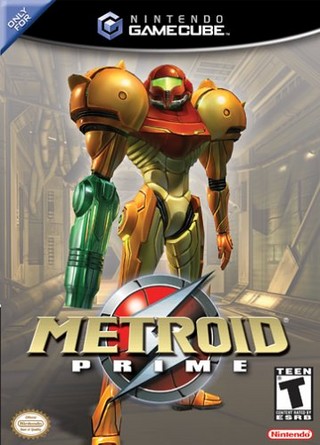



Metroid Prime — visor‑driven immersion, deliberate exploration, and an FPS with a Metroid soul
Presentation
Metroid Prime translates 2D Metroid’s exploration into first‑person with diegetic HUD, multi‑mode visors (Scan, Thermal, X‑Ray), and immaculate 60 fps traversal that make Tallon IV feel studied rather than merely visited. Retro Studios’ art direction and soundscape turn biomes like Phendrana Drifts and Phazon Mines into readable, atmospheric spaces, while lock‑on strafing and Morph Ball sequences bind platforming, routing, and combat into a single grammar. The result is a cohesive adventure that established a blueprint for FPS‑adventures—minimal exposition, environmental lore, and upgrades that reweave the map with every suit and beam you earn.
Story
Answering a distress signal, Samus boards the Space Pirate frigate Orpheon, defeats the Parasite Queen, and pursues Meta Ridley to Tallon IV, a world poisoned by Phazon after a Leviathan impact shattered Chozo civilization. By scanning Pirate logs and Chozo lore, she learns the Chozo sealed the Phazon source beneath an Artifact Temple; collecting twelve Artifacts opens the Impact Crater for a final descent against Metroid Prime, the Phazon core entity. After victory, Metroid Prime absorbs Samus’s discarded Phazon Suit and detonates; a 100% completion stinger teases a Dark Samus‑like form, seeding the trilogy’s ongoing arc.
Systems and structure
-
Metroidvania in 3D. Morph Ball, Varia/Gravity/Phazon suits, Grapple Beam, and beam combos gate traversal, secrets, and boss routes, rewarding sequence mastery and late‑game backtracking.
-
Visor ecology. Scan data unlocks world logic and weak points, while Thermal/X‑Ray reframe both puzzles and encounters, turning perception into a limited resource to manage.
-
Combat and movement. Lock‑on strafing, generous ledge magnetism, and readable enemy telegraphs keep first‑person platforming and arena fights crisp without sacrificing discovery.
Length and co‑op
Main‑path clears commonly take 12–18 hours, while thorough 100% item runs trend 15–20 hours; experienced routes and remaster quality‑of‑life can bring times down further. Metroid Prime is strictly single‑player; replayability comes from log completion, sequence breaks, item‑percent goals, and higher difficulty unlocks rather than co‑op modes.
Reception and critics’ scores
At release and in later remasters, Metroid Prime earned universal acclaim for atmosphere, exploration, and mechanical clarity; it is frequently listed among the greatest games of all time. Critics praise its visual design, sound, and visor‑driven discovery, with minor caveats around late‑game backtracking and navigation opacity for first‑timers.
-
Metacritic — 97/100 (GameCube), elite “universal acclaim” tier.
-
IGN — “must‑have masterpiece,” citing 25+ hours for first‑timers and best‑in‑class audiovisual/level design at launch.
-
Nintendo Life — 10/10 (retrospective), lauding timeless progression and immersion.
-
OpenCritic (Remastered) — average 94/100, praised for controls, models, and textures while honoring the original.
If you want a sidebar with recommended pickup routes (early Varia via Magmoor, clean Phendrana sweep), boss order tips (Flaahgra, Thardus, Omega Pirate, Meta Ridley), or a spoiler‑boxed lore digest of Phazon and the Chozo Cipher, it can be added to match your outlet’s format.