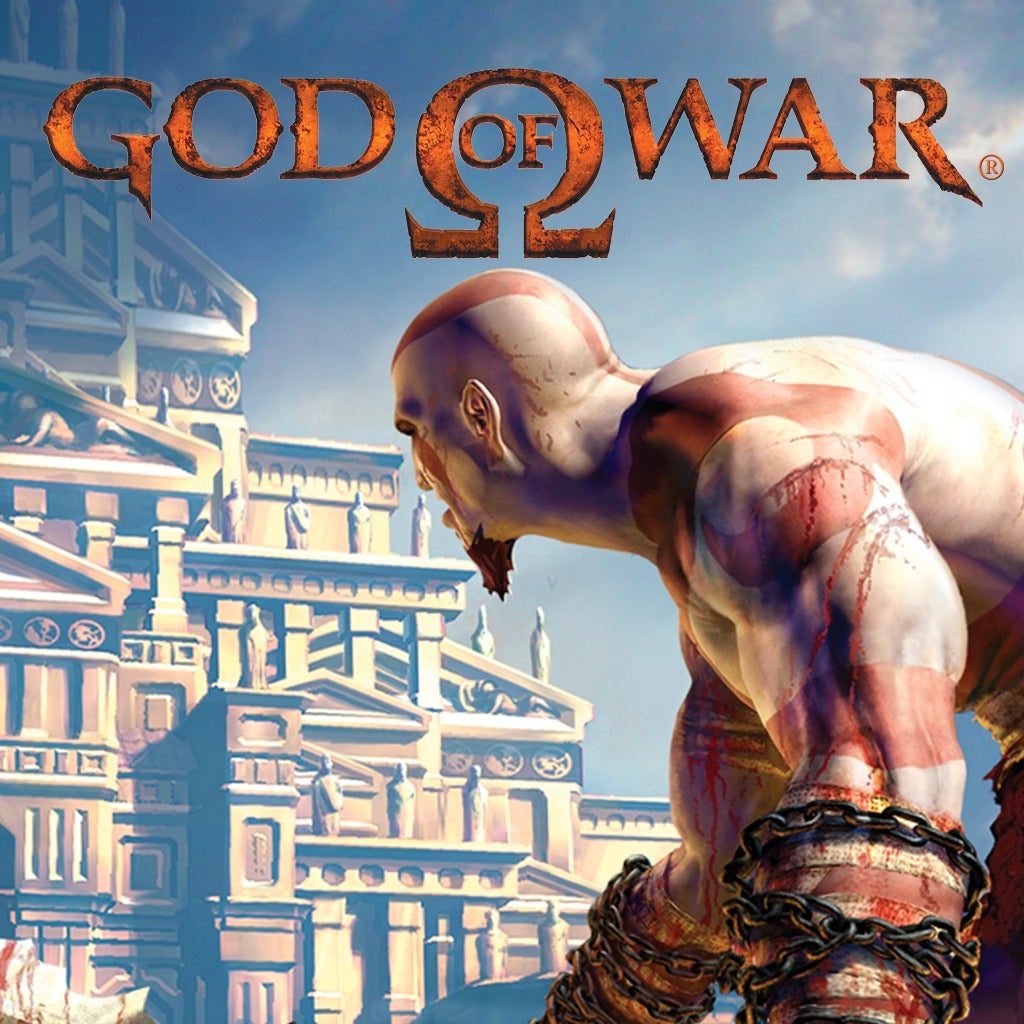



God of War (2005) — operatic brutality, Greek myth spectacle, and a PS2 action blueprint that still hits hard
Presentation
God of War arrived as a late‑PS2 showcase that melded cinematic scale with near‑seamless loading, chaining set pieces, puzzle rooms, and boss arenas into a relentless, theatrical march through mythic Greece. The Blades of Chaos enable wide‑arc crowd control and air juggles with crisp hit feedback, while QTE finishers, environmental kills, and Bear McCreary’s forerunner orchestral‑choral vibe give combat a grand, operatic cadence for the era. Camera work frames colossi, temples, and living statues in bold compositions, supporting traversal puzzles and environmental storytelling between brutal encounters.
Story
Haunted Spartan captain Kratos, once saved and enslaved by Ares, seeks absolution for the atrocity Ares manipulated him into—murdering his own wife and daughter—by pledging himself to the gods for one last task: kill the God of War. Athena directs Kratos to retrieve Pandora’s Box from Kronos’s back‑borne Temple to gain the power to slay a god, a quest that spans the Desert of Lost Souls, the Rings of Pandora, and back to besieged Athens. After opening the Box and defeating Ares, Kratos discovers the gods will not erase his nightmares; in despair he leaps from a cliff, only for Athena to stay his hand and elevate him as the new God of War, a bitter coronation that sets the saga’s tone.
Systems and structure
-
Combat grammar. Light/heavy strings, launchers, grabs, and crowd‑sweeping chains flow into magic bursts and context kills, with orbs fueling upgrades that broaden routes without overwhelming inputs.
-
Puzzles and pacing. Lever/gear mechanisms, environmental traps, and platforming interleave between fights, giving cadence to the campaign’s brutality and spotlighting scale without dead air.
-
Boss and spectacle. Hydra, Minotaur, and Ares encounters function as exams in spacing, stun confirmation, and QTE timing, binding cinematic payoff to player execution rather than cutscene autopilot.
Length and co‑op
A typical first playthrough runs about 8–12 hours depending on difficulty and collectible thoroughness; higher modes like God mode demand strict spacing, i‑frame awareness, and resource discipline for replays. The game is strictly single‑player with no co‑op; replay value comes from challenge modes, higher‑difficulty clears, and upgrade‑route experimentation rather than multiplayer.
Reception and critics’ scores
Launch reviews placed God of War among PS2’s elite for presentation, pacing, and tactile combat, with minor critiques pointing to occasional repetition and a few puzzle bottlenecks; its influence on later action games is widely acknowledged. Aggregators sit it in the mid‑90s, and press collations record a long‑standing consensus on its craft, even as sequels refined encounter variety and camera control.
-
IGN — rave review highlighting near‑invisible loads, set‑piece scale, and satisfying combat flow.
-
Metacritic — 94/100 (PS2), “universal acclaim” tier across dozens of critic reviews.
-
MobyGames critic average — roughly 93% across 100+ ratings, reflecting broad critical consensus.