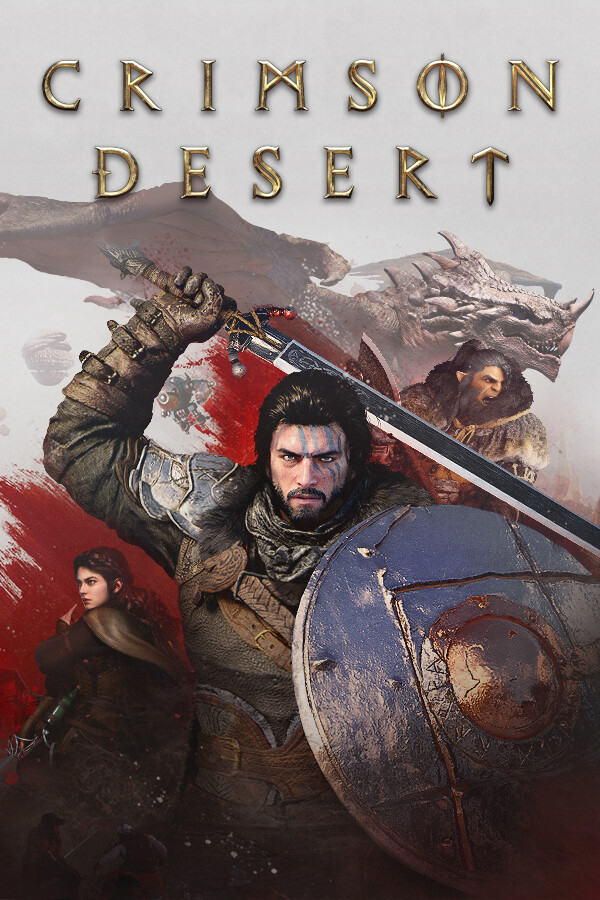



Crimson Desert has arrived, and the first wave of Metacritic reviews confirms what many players suspected from the trailers: Pearl Abyss has built a massive, visually stunning open world that is as impressive as it is divisive. Early critic scores hover in the high 70s on Metacritic, signaling a good but controversial release rather than the next genre‑defining masterpiece some were expecting.
In this review roundup, we break down the current Metacritic score for Crimson Desert, highlight what critics love, and dig into the recurring complaints about story, systems, and overall design.
Crimson Desert Metacritic Score: Solid But Short Of The Hype
Crimson Desert currently sits in the mid‑to‑high 70s on Metacritic, with individual outlet scores ranging from glowing 9.5s to harsh sub‑5 reviews. On social media and in early coverage, the game is frequently described as landing around 77–78 on Metacritic and just under 80 on OpenCritic, with many critics recommending it but stopping short of universal praise.
Some outlets call Crimson Desert a “technical tour de force” and a benchmark for this style of open‑world action game. Others argue that its score reflects a game “good but not genre‑defining,” especially when compared to titans like Elden Ring or The Witcher 3.
What Critics Love: Visuals, World Design, And Combat
Even mixed reviews agree on one thing: Crimson Desert looks incredible. Critics repeatedly highlight the game’s huge open world, dense environmental detail, and spectacular vistas as some of the most striking visuals in any recent action RPG.
Several outlets praise the moment‑to‑moment gameplay when everything clicks. Positive reviews point to:
-
A massive open world filled with exploration opportunities and side activities.
-
Highly challenging, punishing combat that rewards mastery and feels thrilling in tough encounters.
-
Lengthy playtime with well over 100 hours of content for players willing to dive deep into its systems.
Some reviewers describe Crimson Desert as “the kind of game that only comes along once in a generation” in terms of sheer ambition and scale. Others highlight how the game’s mix of combat, survival, and exploration can become unforgettable if you embrace its harsher, less streamlined design.
The Main Criticisms: Story, Systems, And Frustrating Design
The same ambition that powers Crimson Desert’s strengths is also at the core of its biggest flaws. Many mid‑range and negative reviews on Metacritic describe the game as “a title of extremes,” brilliant in bursts but weighed down by unfocused systems and lackluster narrative.
Recurring criticisms include:
-
Weak story and undercooked characters
Critics frequently call the narrative confusing, cold, or simply uninteresting, with characters that fail to grab attention and quests that often feel like generic MMO‑style tasks. -
Clunky UI and system bloat
Reviews mention confusing menus, a messy inventory system, and an overabundance of mechanics that feel underbaked rather than meaningfully interconnected. -
Inconsistent combat and difficulty spikes
While many love the depth and challenge, others criticize unresponsive controls, awkward lock‑on behavior, and artificial difficulty spikes that make some encounters feel unfair rather than skill‑based. -
Busywork and shallow content
Several critics argue that Crimson Desert prioritizes sheer quantity—activities, systems, and mechanics—over personality and cohesion, leading to stretches of repetitive busywork despite the beautiful world.
More negative reviews on Metacritic go so far as to say the game ultimately “falls short of expectations,” calling out bugs, art‑direction issues, and design decisions that make the experience feel large but shallow.
Critics Are Split: Masterpiece In The Making Or Flawed Open‑World Sandbox?
Crimson Desert’s Metacritic profile shows one of the widest spreads in critic scores for a major open‑world release in recent years. At the top end, some outlets award scores close to 10/10, praising it as a new benchmark for open‑world action and a game that will dominate the conversation for weeks or months.
At the other end, lower scores in the 4–5 range describe a game that feels like “busywork with occasional beatdowns,” undermined by convoluted systems and a narrative that never quite comes together. Mid‑tier reviews sit between these extremes, often framing Crimson Desert as “the victim of its own ambition”: everything promised is present, but too many systems feel disconnected or underdeveloped.
What most critics agree on is that Crimson Desert is not a safe, streamlined blockbuster. It is a demanding, sometimes frustrating open‑world experience that will likely resonate strongest with players who value scope, challenge, and raw spectacle over polished storytelling and clean UX.
Should You Play Crimson Desert Based On Its Metacritic Reviews?
If you are trying to decide whether Crimson Desert is worth your time based on Metacritic, the reviews suggest a clear dividing line. Players who enjoy massive, demanding open worlds, deep combat systems, and who can tolerate clunky menus, rough edges, and a weaker story are likely to find a lot to love here.
However, if you prioritize tight narrative pacing, clean UI, and highly curated quest design, Crimson Desert’s current Metacritic profile implies that you might bounce off its bloated systems and inconsistent direction. With an aggregate score in the high 70s and strong but polarized critical reactions, Crimson Desert looks set to be one of 2026’s most debated open‑world releases rather than a unanimous Game of the Year frontrunner.